








The importance of information security and privacy in education
Education is in the middle of a digital revolution. Schools increasingly rely on cloud technologies for teaching, communication, and administration. This digitalization, however, introduces significant risks, especially regarding the protection of sensitive information. How can educational institutions ensure that this data remains secure and private? The IBP FO Standards Framework and Identity & Access Management (IAM) provide the answers.
Digital risks in schools
Every day, schools process massive volumes of data, from student information to personnel records. Some schools still use manual processes, while many others use homegrown scripts to work with different systems. These scripts may appear to offer flexibility, but they introduce significant risks:
Impact of errors: A small bug in a script or incorrect input can lead to inaccurate information or even serious security vulnerabilities. This can result in identity fraud, data breaches, and misuse of personal data.
Unauthorized access: A lack of advanced access controls leaves systems vulnerable to unauthorized access.
Insufficient security: Traditional methods often do not provide the required security layers to protect data effectively.
Lack of maintenance: Homegrown scripts require continuous maintenance. This is a time-consuming and costly task that is often underestimated. The initial efficiency of these scripts can, in the long run, lead to a path full of uncertainty and exposure to cyberthreats. Leaving this path becomes increasingly difficult as the complexity of systems and scripts grows.
This is especially concerning when it involves the privacy of minors. Current methods often provide insufficient protection, which can lead to:
Identity fraud: Poorly managed data increases the risk of identity fraud, which puts the personal safety of students and teachers at risk.
Data breaches: Unauthorized access to sensitive information can cause data breaches, resulting in serious privacy and reputational damage for the school.
Misuse of personal data: Personal data of students and teachers can be misused, which leads to privacy violations and possibly illegal activities.
The severity of these risks makes it clear that schools urgently need robust and reliable solutions to safeguard the security and privacy of digital information.
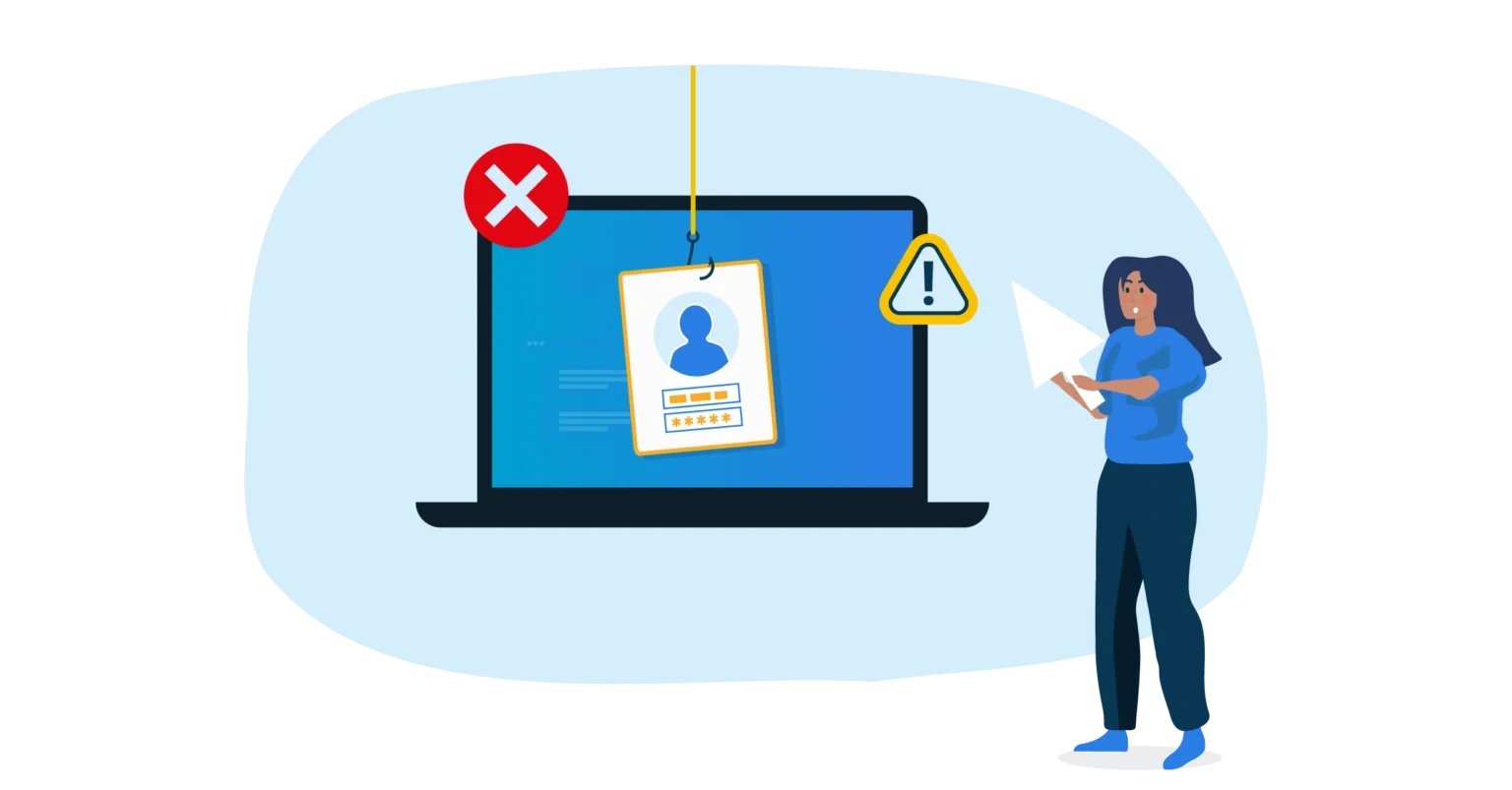
The IBP FO Standards Framework as a compass for digital security
The Information Security and Privacy Standards Framework for Foundational Education (IBP FO) provides guidance for schools to strengthen their information security and privacy. The framework emphasizes the importance of secure processing and storage of information. The framework covers two main areas:
Information security: This focuses on protecting school data. It ensures that only the right people have access (confidentiality), that the data is correct (integrity), and that it is always available when needed (availability).
Privacy: This emphasizes protecting the personal information of both students and teachers. The goal is to keep their personal data secure and private.
Although the IBP FO Standards Framework is not yet mandatory, it is expected to change in 2027. Secondary schools will then be required to comply with these standards. It is therefore wise to start preparing now. This allows schools to gradually improve security and privacy to meet future requirements.

The role of IAM in education
Identity and Access Management helps schools automate and secure processes for managing digital identities and access rights. It provides evidence that only the right people can access specific data. This reduces the chance of human error and improves overall security. This is essential to comply with IBP FO standards and to keep the digital environment secure.
User and access management: IAM introduces automation into the management of users and access rights. It provides assurance that data is up to date and who has access to data. This contributes to both security and privacy.
Transparency and compliance: IAM enables educational institutions to demonstrate that they operate according to GDPR and the IBP FO framework. This is achieved through comprehensive logs and reports, which is critical for clarity and accountability.

The benefits of IAM in education
With IAM, schools benefit from:
Increased security: IAM systems strengthen security. Automation helps enforce security policy. It helps prevent errors that could lead to security risks. They also provide features such as multi-factor authentication. This reduces the likelihood of unauthorized access.
Efficiency and time savings: By automating processes, IAM solutions save time. They reduce the burden of administrative and repetitive tasks. This makes processes faster and more efficient.
Compliance with laws and standards: IAM helps schools comply with laws such as the GDPR and standards such as the IBP FO framework. IAM ensures effective data management and protection. This makes compliance simpler and demonstrable.
Improved user experience: IAM makes access to educational applications easier. Both teachers and students benefit. They gain access to the required information and resources in a way that is more secure and smoother at the same time.

Conclusion
The viability of manual administration processes and homegrown scripts in education is coming to an end. Schools must invest in solutions such as IAM to safeguard digital security and privacy. By taking this step, they can better manage the risks of the digital world and create a safe learning environment. It is time for change, and IAM is the key to a more secure digital future.
[1] Kennisnet (2023). https://aanpakibp.kennisnet.nl/normenkader/