







OpenID Connect
What is OpenID Connect?
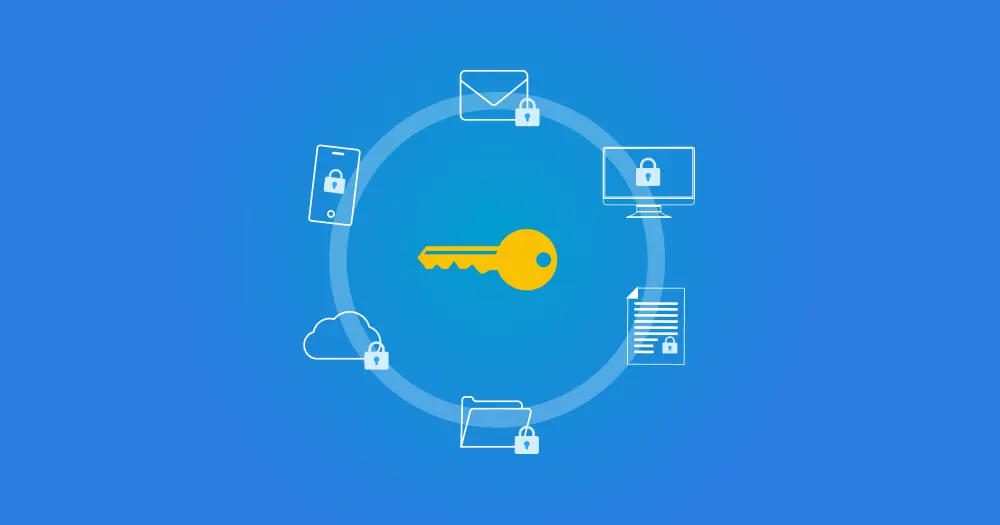
OpenID Connect, also known as OIDC, means you can use a single key to sign in to many different online services without having to remember multiple passwords. It enables Single Sign-On (SSO).
OpenID Connect is built on top of OAuth 2.0. OAuth 2.0 serves as the foundation of OpenID Connect. It is an authorization framework that allows applications to obtain limited access to user accounts. OAuth 2.0 manages the consent to access resources on behalf of the user without exposing user credentials, such as passwords, to the application. The differences between OAuth 2.0 and OpenID Connect are explained further below.

Example of OpenID Connect
When you use OpenID Connect, it is like having a VIP pass that confirms your identity. Imagine going to a music festival with multiple stages (websites). Instead of standing in line at each stage and showing your ID (signing in with different accounts), you simply present your VIP pass (the OpenID link) at the entrance. Security (the trusted service) nods and says, "We know you, go ahead." This way, each stage recognizes you as a validated guest, and you can move around freely without having to show your ticket repeatedly.
How Does OpenID Connect Work?
The authentication process with OpenID Connect works as follows:
The user launches an application
The application redirects you to the identity provider for authentication
The user signs in with the identity provider using existing credentials. This can be a username and password or another form of authentication supported by the identity provider.
After successful authentication, you are sent back to the application.
The application maintains the user session until the user signs out or the session expires.

OpenID Connect vs OAuth
OpenID Connect and OAuth are often confused because both involve online authentication and authorization. However, they perform different functions in the digital landscape.
Imagine you are going to a concert. At the entrance, two teams ensure everything runs smoothly and safely: one for identity checks and the other for access control. In our digital world, OpenID Connect and OAuth play these roles.
OpenID Connect:
Purpose: OpenID Connect is specifically designed for authentication. This means it confirms a user's identity. In essence, it says, "Yes, you are the person you claim to be."
Use: When you sign in to a website or application, for example, with your Google account, you are using OpenID Connect. It eliminates the need to create a separate username and password for every service.
How it works: OpenID Connect verifies your identity through a third party, such as Google, and shares that confirmation with the applications you sign in to.
OAuth:
Purpose: OAuth, on the other hand, is designed for authorization. It grants websites or applications permission to perform certain actions or access your data without requiring you to share your password. It decides which parts of the concert you may see based on your ticket type. It ensures you can access only what you are allowed to view or use.
Use: If an application wants access to your Google contacts, it uses OAuth to manage that permission.
How it works: OAuth lets you grant specific permissions to an application, such as access to your photos or emails, without exposing your actual login credentials.
In Summary:
OpenID Connect = Who are you?: It confirms your identity when you sign in with your account, for example, Google.
OAuth = What are you allowed to do?: It manages access to your data or services without requiring you to share your password.
Just like at a concert, these two systems work together to make your online experience secure, smooth, and user-friendly. OpenID Connect ensures that you are who you say you are, and OAuth ensures that you only have access to what you are allowed to see or do.
OpenID Connect vs OAuth 2.0
Imagine you are using a new application and it asks whether you want to sign in with your Google account. That is where OpenID Connect comes in. If that same app requests access to your Google contacts, OAuth 2.0 handles that consent. OpenID Connect identifies who you are, while OAuth 2.0 manages what you are allowed to do with your data.
In summary:
OpenID Connect = Identity check: "I confirm who this person is."
OAuth 2.0 = Access control: "It manages what you may do or see with this person's data."
OpenID vs SAML
OpenID and SAML are very similar. SAML (Security Assertion Markup Language) and OpenID Connect are both protocols for authentication and authorization in online services, with a strong focus on enabling Single Sign-On (SSO). They allow users to use a single set of login credentials to access multiple applications, increasing ease of use and improving security. Although they both pursue the same goal, they differ in how they work.
How OpenID Connect Works
OpenID Connect is based on OAuth 2.0 but adds an extra layer for identity verification. This means it provides both access control, like OAuth 2.0, and identity verification. It sends the user's identity information in an ID token. It does this by using JSON Web Token (JWT). OpenID Connect configuration is often simpler because the protocol is more standardized across implementations.
How SAML Works
SAML uses XML to transfer user information between an identity provider (IdP) and a service provider (SP), unlike JSON Web Token (JWT). There can be variations in how different identity providers implement SAML, which requires additional alignment.
IAM Security With OpenID and SAML
To ensure secure authentication, SAML and OpenID Connect are essential. In our identity and access management solution, we integrate both SAML and OpenID Connect to provide streamlined and secure user authentication.
OpenID plays an important role in data security, but it is only one element of a comprehensive approach. To deepen your understanding of securing personal data and protecting user privacy, we invite you to review our white paper on security strategies.
Related Articles
- SAML vs OAuth vs OpenID Connect
- Access Management: Setting up application integration using SAML, WS-Federation, OpenID Connect
- Access Management: Configuring SSO via the Application Catalog
- Access Management - Where to start?
- Azure Active Directory: The Dangers of Improper User Provisioning and RBAC Mismanagement