







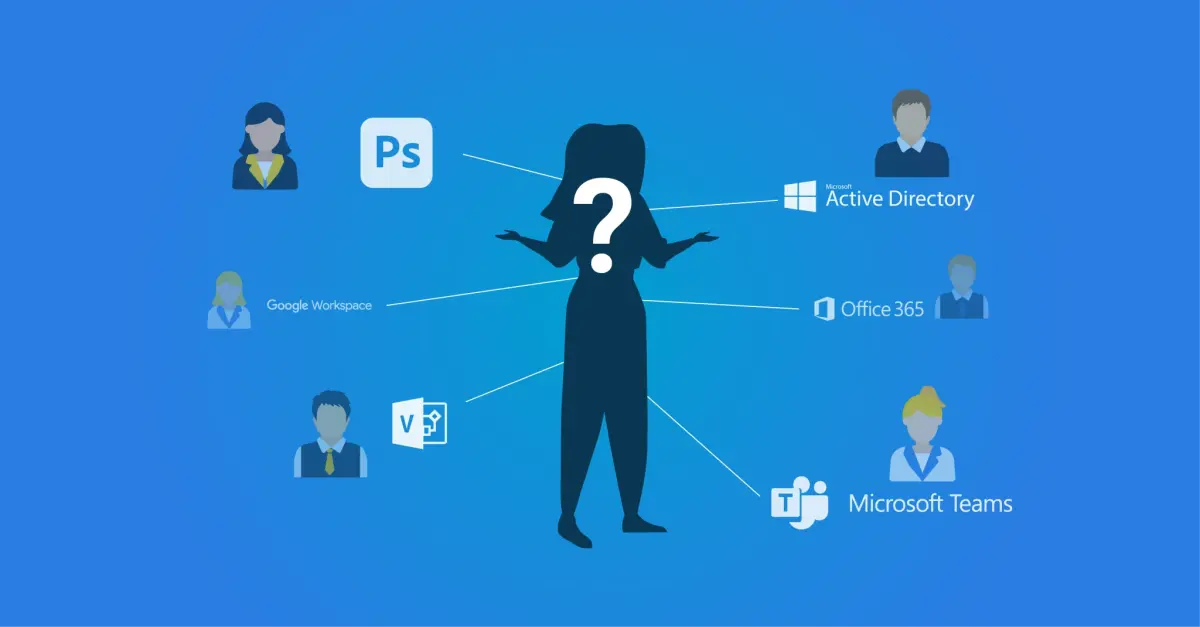
Not IAM Compliant Yet?
Is your access rights management still largely manual? Do you lack clear policies that define which employees should receive which IT licenses, user accounts, and access rights? In short, is your compliance with identity and access management not yet in order? If so, we provide guidance below to help you get started.
The Meaning of Compliance
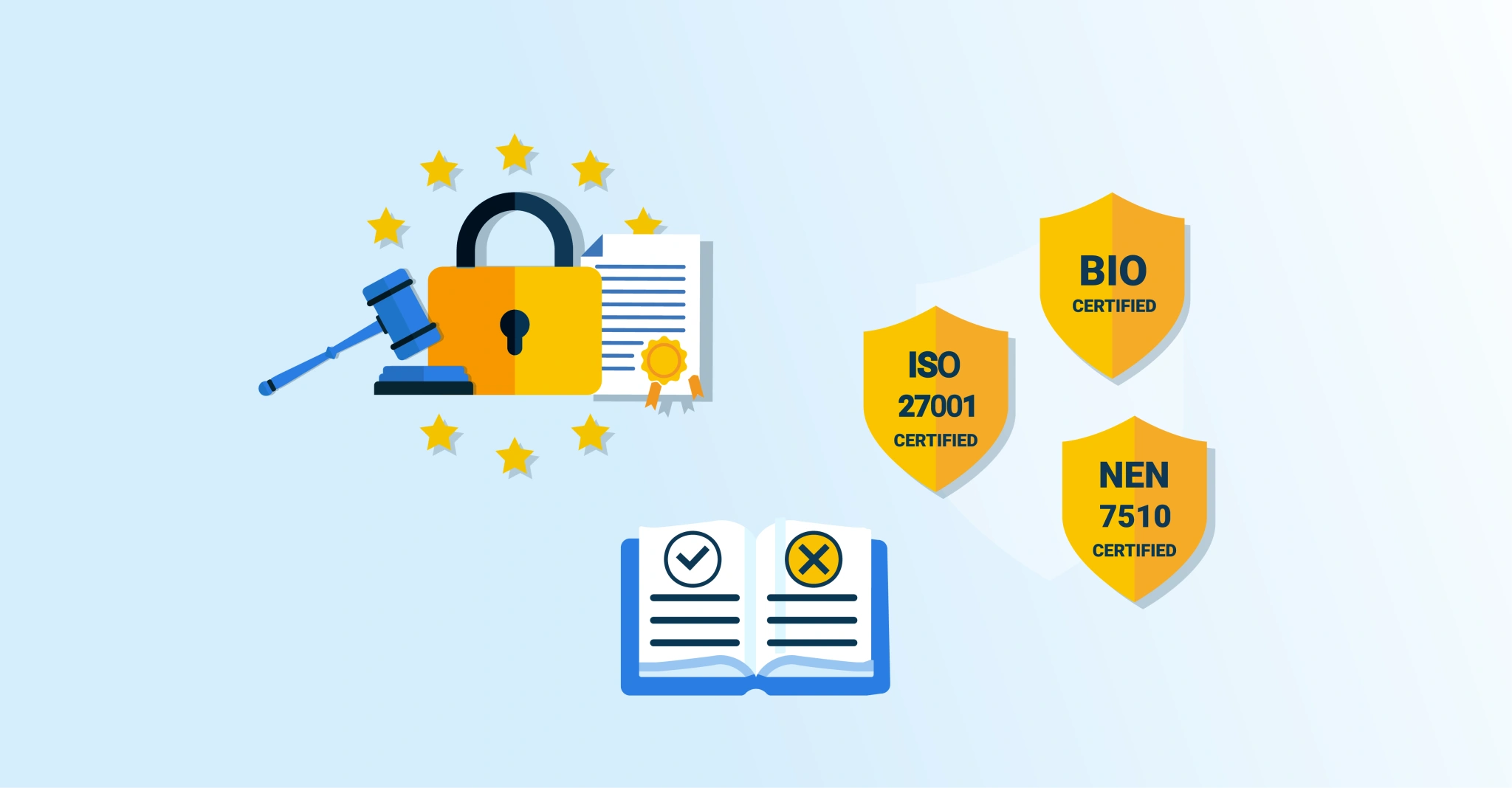
Compliance is not limited to adhering to general laws and regulations. It also includes sector-specific guidelines and internal organizational policies. In practice, compliance can cover a wide range of topics, from financial frameworks and privacy laws to occupational health and safety guidelines and environmental legislation. The general trend is a shift from solely detecting and sanctioning undesirable behavior to enforcing desired behavior. The emphasis is increasingly on transparency in operations, proactive compliance, and due diligence.
For privacy and information security, you are not assessed only after an unfortunate data breach. Instead, there are clear security guidelines for organizations, and you must be able to demonstrate compliance unambiguously. In addition to GDPR compliance, government organizations must adhere to frameworks such as the Baseline Information Security for Government (BIO), which is comparable to the U.S. National Institute of Standards and Technology (NIST) Cybersecurity Framework. In healthcare, NEN 7510 is a mandatory standard for information security and is similar in purpose to HIPAA requirements in the United States. Educational institutions increasingly follow frameworks such as the Information Security and Privacy Framework for Primary and Secondary Education (IBP FO), which aligns with the goals of U.S. regulations and guidelines such as FERPA and student data privacy programs. For organizations operating in essential and critical sectors, NIS2 (Network and Information Security Directive 2) establishes cybersecurity requirements similar to those in U.S. regulations and guidance from agencies such as the Cybersecurity and Infrastructure Security Agency (CISA), as well as sector-specific critical infrastructure standards.
As an organization, you must at a minimum be able to demonstrate compliance during audits unambiguously, and for ISO 27001 and NEN 7510, you can also choose certification. Many companies, for example, only do business with suppliers that are ISO 27001 certified. This drives a shift from after-the-fact control to demonstrable compliance up front.
Is It Important to Be Compliant?
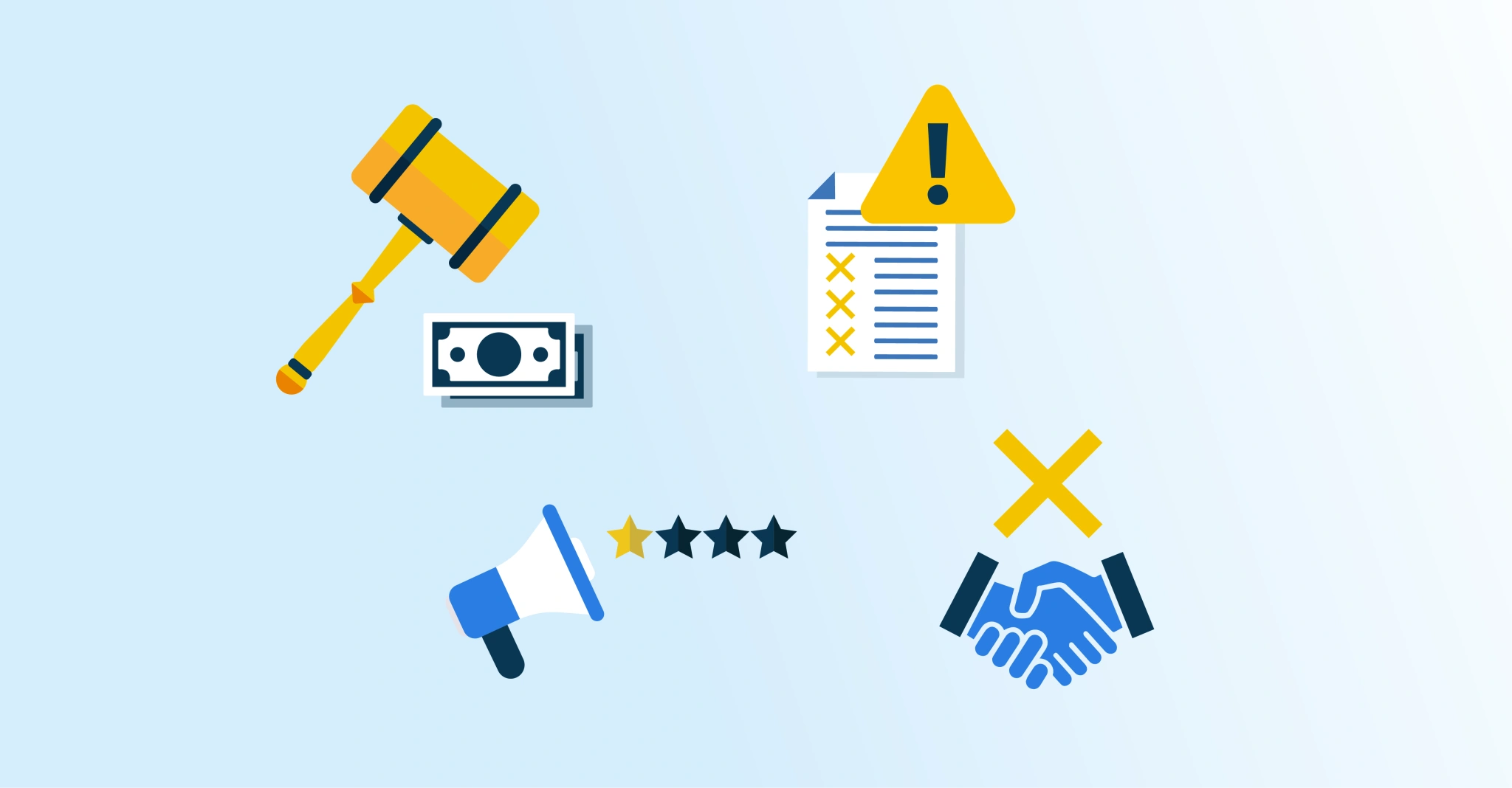
Requirements are steadily increasing, and organizational compliance is under greater scrutiny. Non-compliance, therefore, has a significant impact:
Non-compliance with regulations can result in severe sanctions and legal consequences. Organizations may also be required to implement costly remediation measures following an audit or investigation.
Beyond regulatory enforcement, organizations can face lawsuits and claims from customers, employees, students, patients, or other affected parties following a data breach or security incident. These actions can be brought by individuals, groups, or business partners seeking compensation for damages.
Aside from the financial impact, it is disastrous if your organization makes the news because your information security and privacy are not in order.
Compliance also plays an increasingly important role in business and procurement decisions. Many organizations require vendors and partners to demonstrate compliance with recognized security frameworks such as ISO 27001, SOC 2, NIST, HIPAA, or other industry standards before doing business together. In many cases, security certifications and compliance attestations are mandatory requirements in RFPs, contracts, and vendor evaluations.
Compliance is therefore not merely a legal obligation but a strategic necessity. Organizations that manage compliance well build trust with customers, partners, and investors, overall limiting risk and strengthening their market position.
How Does Your IAM Solution Help You Become Compliant?
How can you achieve compliance with relevant privacy and information security standards through Identity and Access Management? In addition to GDPR, organizations may be required to comply with sector-specific frameworks such as BIO, NEN 7510, education security standards, and ISO 27001. Comparable U.S. requirements include NIST, HIPAA, FERPA, SOC 2, and ISO 27001, depending on the industry and regulatory environment. Some of the required controls in these standards relate to account and access management. Tools4ever therefore provides several checklists that assess how these controls can be implemented using your IAM capabilities. Without detailing each measure here, here are some general principles to ensure your account and access management comply with common laws and standards. We expand on these below using our HelloID platform.
Extra Secure Access
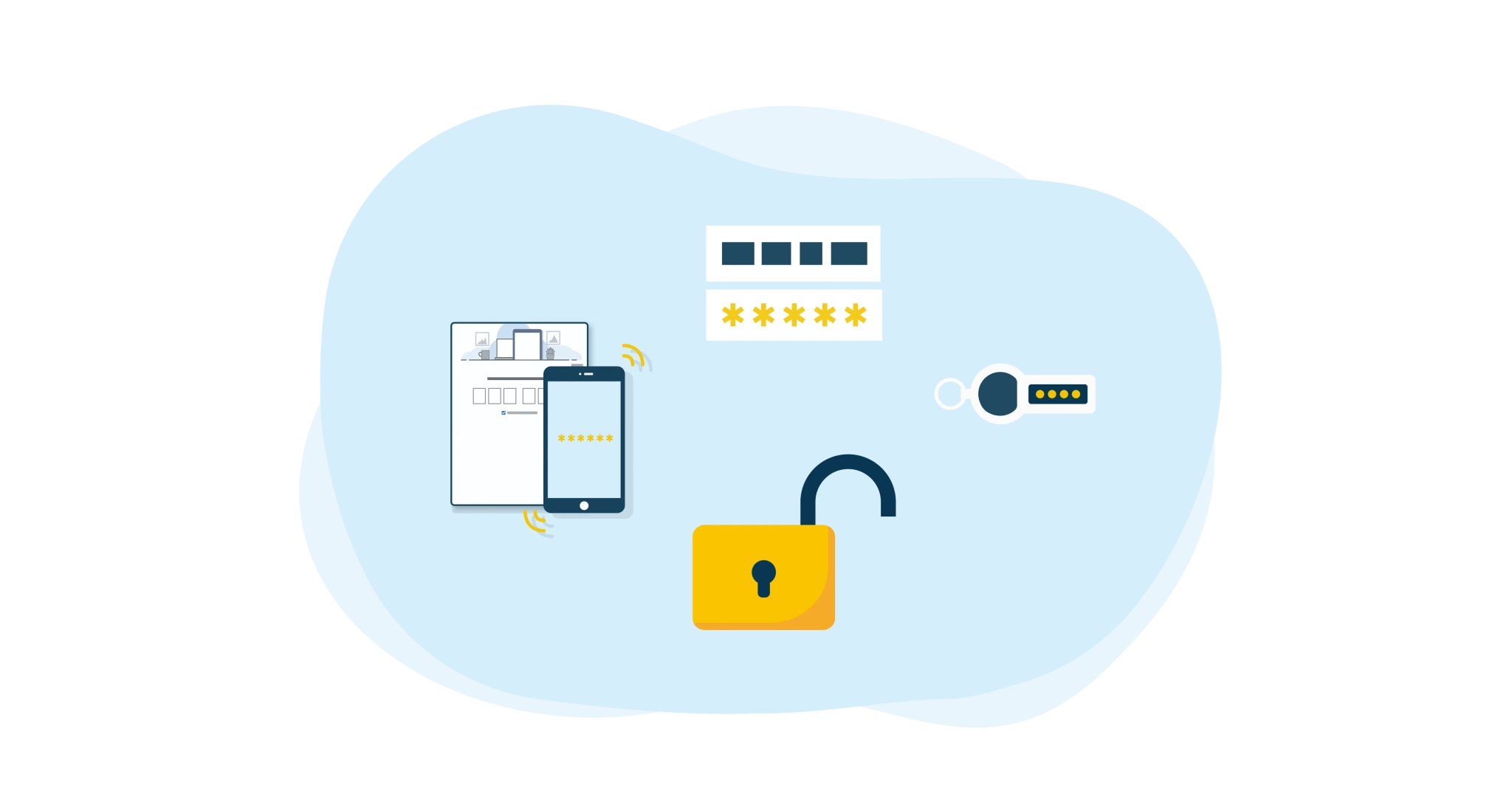
Access security starts with authentication and authorization, and security standards often set specific requirements. For example, password complexity or the use of additional safeguards. In addition to standard directory services, HelloID supports Multifactor Authentication with several free methods, including FIDO, Push-to-Verify, SMS, and email. The module also integrates seamlessly with both Microsoft and Google Authenticator, so you can continue using your existing MFA methods and tokens. We also support Single Sign-On because it is better to use one strong password than a weak password for each application. This combines access security and user-friendliness.
Standardized Provisioning with Clear Policies
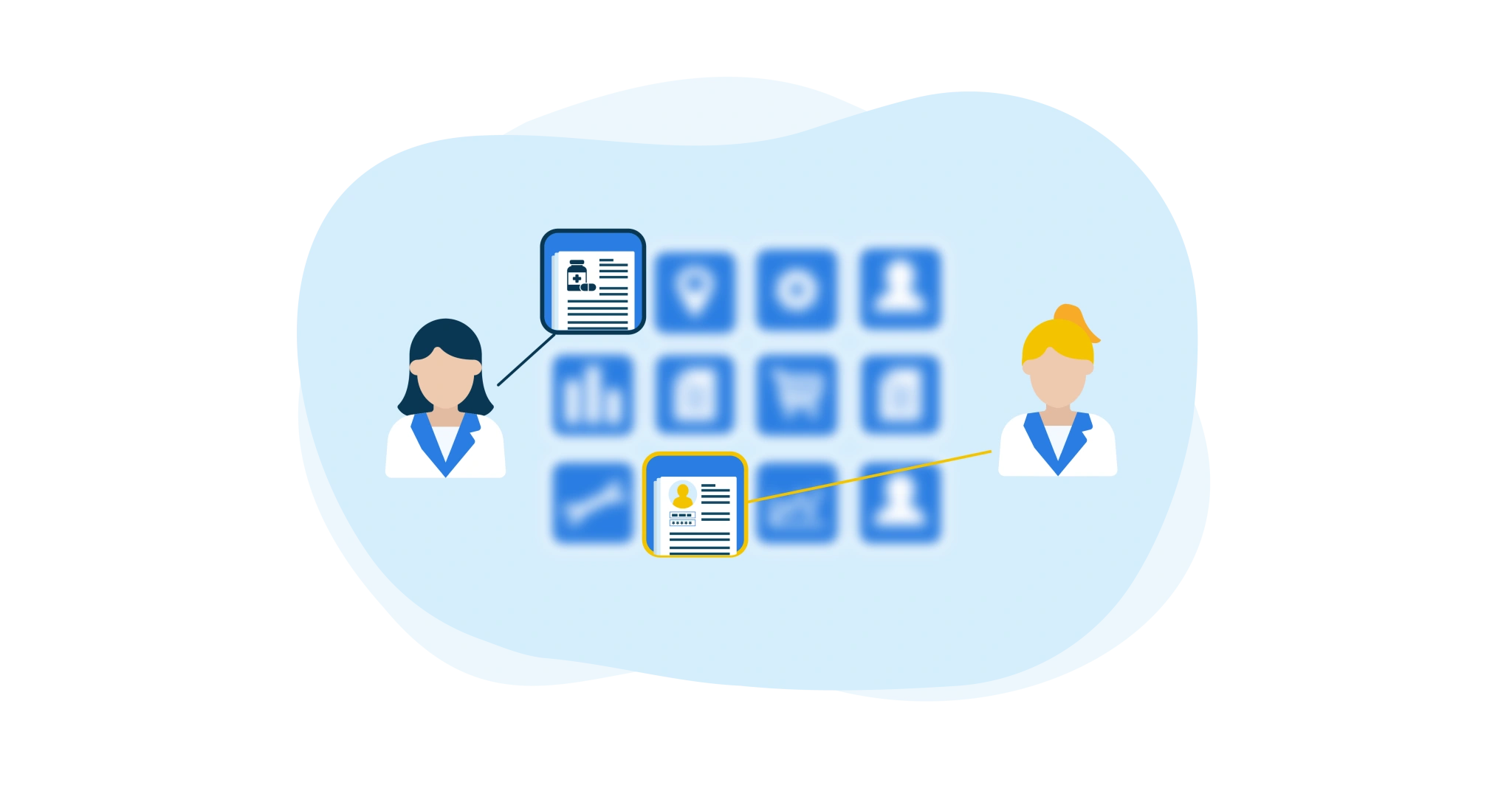
Within the Zero Trust security concept, one of the key principles is the Principle of Least Privilege. Employees may receive only the minimum access to applications and data required for their tasks and responsibilities. For example, a healthcare worker may access medication lists in a healthcare system only if authorized, and only for patients for which this employee is responsible.
Within HelloID, we therefore automate the provisioning of accounts and rights based on user attributes, such as job role and department, as stored in the HR system. Based on this so-called Attribute-Based Access Control (ABAC), every new employee automatically receives user accounts and access rights that align with their work during onboarding. If someone changes role or department, HelloID automatically adjusts access rights immediately. When employment ends, the user account is automatically blocked, preventing the departing employee from accessing it. With this automation, we ensure that only the minimum necessary rights are granted and unnecessary rights never accumulate. By also connecting specific source systems for contingent workers, we can guarantee just-in-time access to systems and data for flexible staff. This embeds the Principle of Least Privilege across the organization, and all changes are recorded for interim security audits.
Governed Management Processes
Effective information security depends on clear policies, clear processes, and as few exceptions as possible. Above, we described how we automatically assign accounts and rights wherever possible using standard rules that consider job role and department.
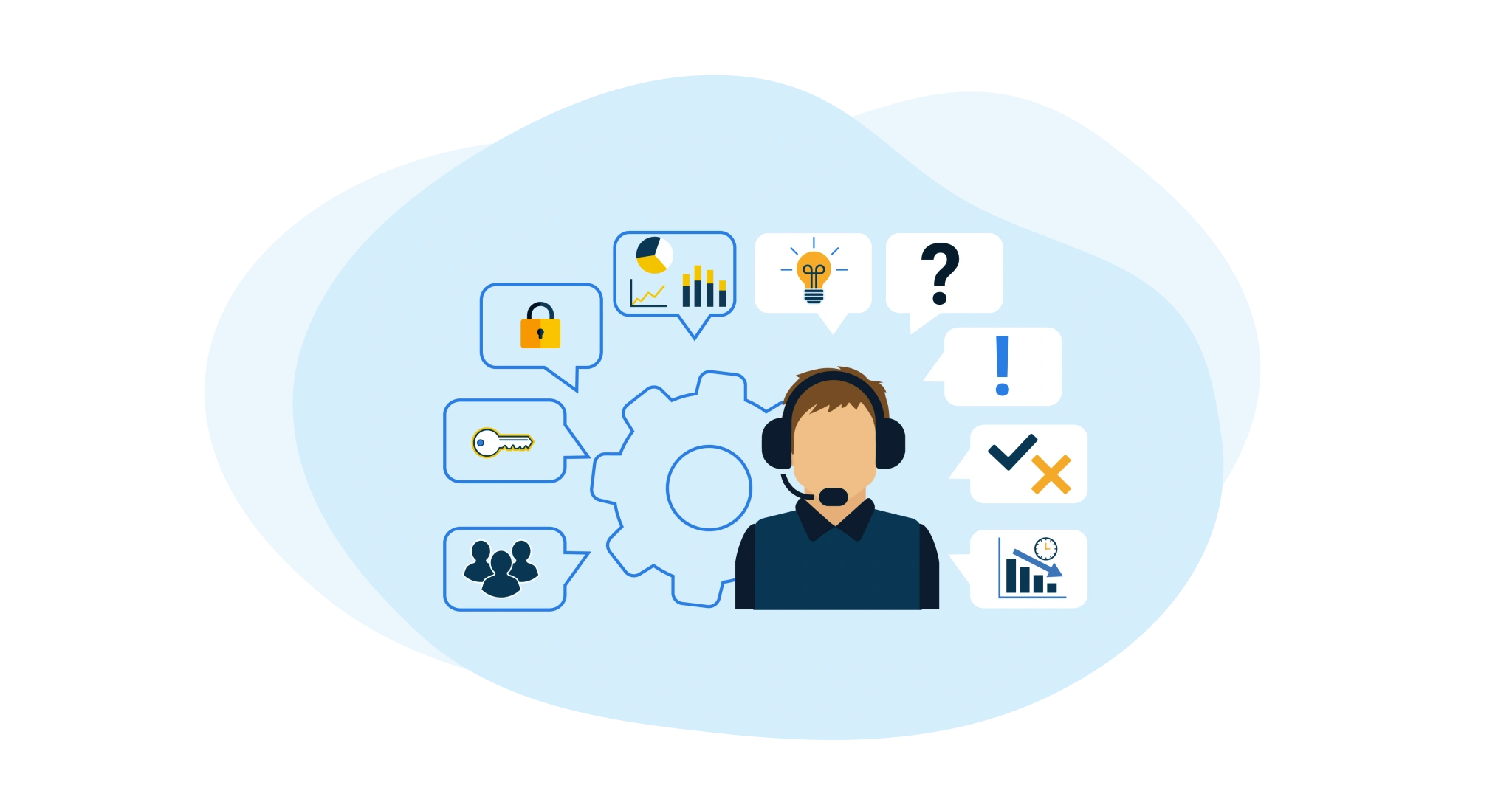
Exceptions are always needed. For example, when someone needs an extra license for a temporary project or needs to be added to a project folder. Many other individual requests are also possible, ranging from an email display name change to creating a group mailbox or resetting a password. Service processes must therefore be fully configured to meet security standards.
Within the HelloID Service Automation module, we support these processes in the most user-friendly way possible. Where appropriate, actions do not need to be executed by a second-line administrator but can be handled by helpdesk staff. Managers can also make changes for their team members through delegated forms, and we provide a self-service portal where employees can perform simple changes themselves.
The key to that self-service is that we can configure the underlying processes to always request approval online from the relevant managers and resource owners. Once the request is approved, the platform safely enforces the activation in the connected backend systems. For every request, the system automatically records who submitted it and who approved it. At any time, it can provide an overview of licenses, applications, shares, and related items in use.
Monitoring and Governance
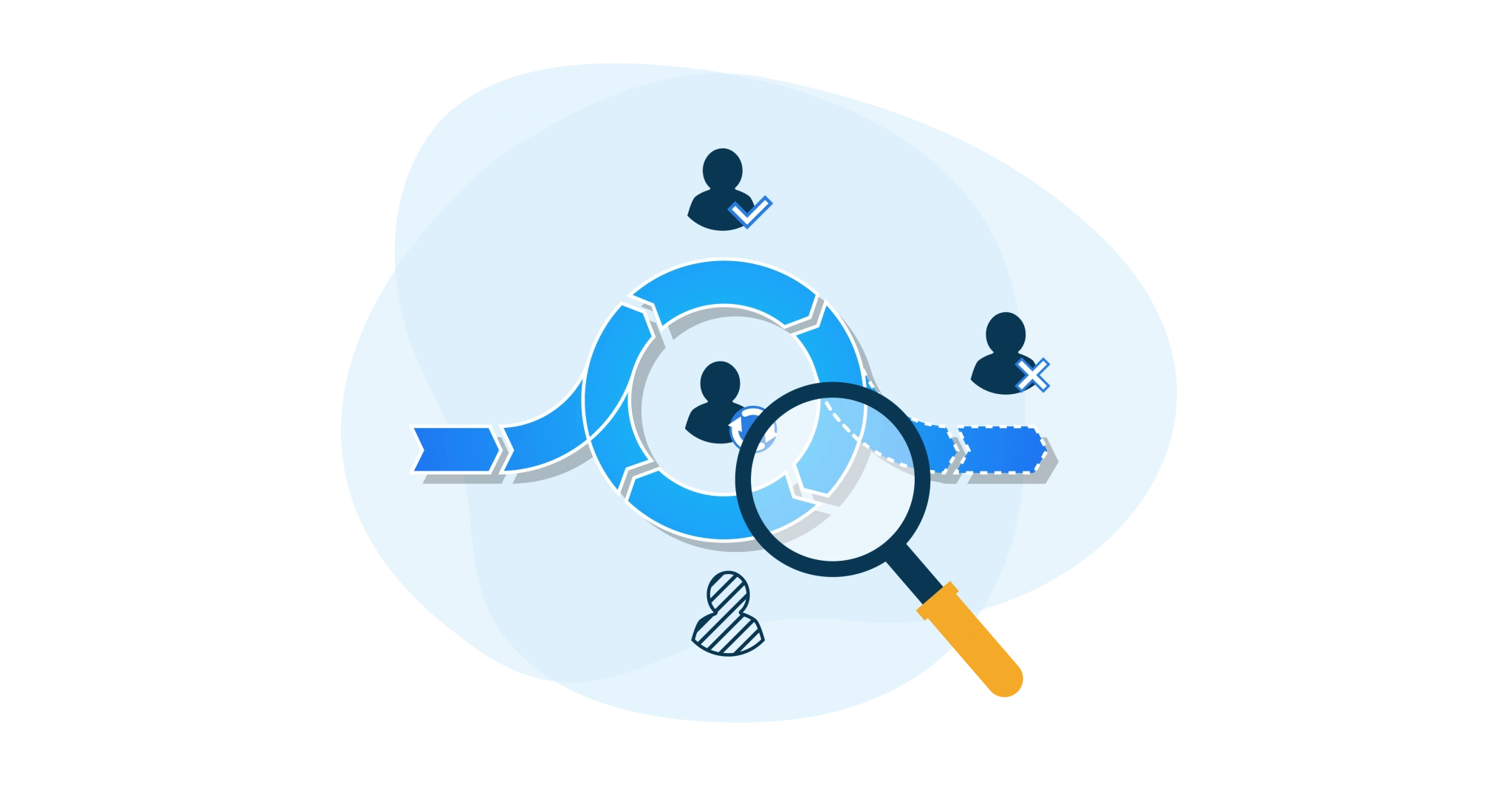
For IAM compliance, your full identity lifecycle must be auditable. All actions must be traceable from account creation through updates, enabling account deactivation, and the removal of access rights. For individual changes executed through Service Automation, we must also be able to determine exactly who requested the change, who approved it, and which modifications were made in the backend systems.
With the HelloID Governance module, we further elevate your compliance. This functionality ensures you not only become compliant but also remain compliant as your IT environment grows more complex and security requirements increase. The module provides features such as reconciliation, recertification, and toxic rules management. These identify and resolve internal mismatches between the IAM platform and target systems, maintain control over the use of self-service products, and automatically detect and resolve conflicting business rules.
Want to Learn More?
Identity Management plays a central role in your IT security. To comply with common information security standards and privacy legislation, it is necessary that employees, partners, and clients access applications and data only with their own account. Rights must always be granted in accordance with the Principle of Least Privilege, and all IT activities must be traceable to individual users. Tools4ever provides the right solutions, and we offer checklists for ISO 27001, BIO, and NEN 7510 to show how our HelloID platform addresses account and access management requirements and helps you become and remain compliant. We would be glad to tell you more.